On January 30th, the International Master Course on Aging Science (IMCAS) World Congress 2025 commenced in Paris. It brought together renowned medical professionals from around the globe in the field of medical aesthetics.
Prior to the official opening, Merz Aesthetics hosted an exclusive media event as a pre-congress program. The event unveiled for the first time the findings of its global study conducted as part of the company’s flagship campaign, Confidence to Be.” Following the presentation, Merz facilitated a panel discussion with medical experts to discuss the study's implications further.
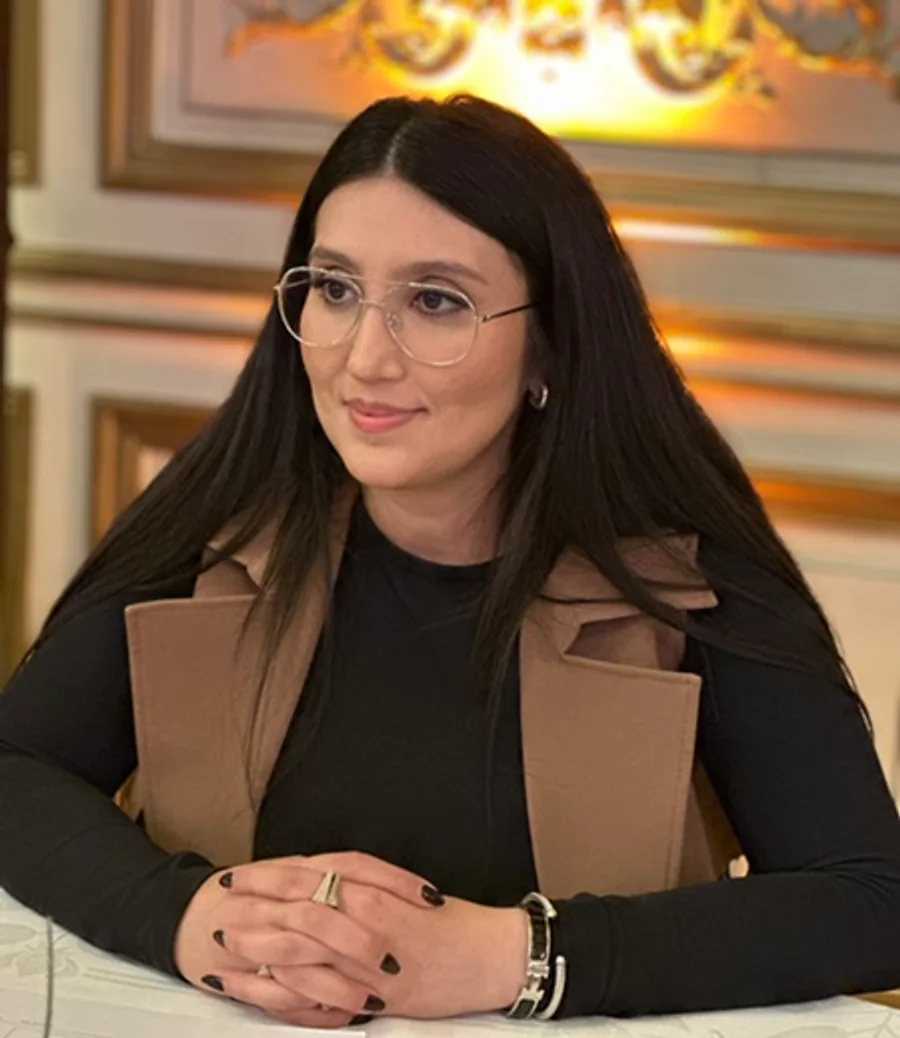
Among the attendees was M.D. Sheila Farhang, recognized as one of the top dermatologists in the United States. She is a surgeon with dual fellowships in cosmetic surgery and reconstructive Mohs micrographic surgery. Dr. Farhang founded Avant Dermatology & Aesthetics in Tucson, Arizona, and operates a clinic on Rodeo Drive in Beverly Hills, California. Additionally, she actively engages with the public through various media appearances, sharing insights on the latest aesthetic treatments and skincare innovations. We had the opportunity to meet her on-site for an in-depth discussion.
Q: How did you feel about participating in the expert panel discussion?
It is truly an honor. As a dermatologist, I have presented on medical aesthetics and its technological advancements at various academic conferences. However, this was the first time I had the opportunity to reflect on the role of medical aesthetics from the consumer’s perspective. It was a deeply meaningful experience to reconsider the fundamental purpose of providing these treatments as a medical professional. This discussion allowed me to explore the technical aspects and the broader impact on patients’ confidence and well-being.
As a dermatologist, my involvement in medical aesthetics is not just about optimizing facial proportions or symmetry-it is about helping patients feel more positive about themselves. When patients experience satisfaction and confidence in their appearance, it extends to all aspects of their lives. It can make them better parents, better professionals, and better leaders. This study provided an opportunity to reflect on the global significance of medical aesthetics and its profound impact beyond just physical transformation.
Q: Was there a particular finding from the study that stood out to you the most?
One of the most memorable findings was that many people decide to undergo medical aesthetic procedures based on the influence of those around them rather than social media. The study revealed a strong tendency for individuals to become interested in treatments after hearing about the experiences of friends or colleagues. This suggests that personal connections and firsthand testimonials play a crucial role in shaping decisions, as people seek to experience positive changes in their appearance and overall well-being after seeing the benefits in those close to them.
Q: The field of medical aesthetics is evolving rapidly. What are your thoughts on the current trends?
I agree. This year, regenerative medicine and regenerative aesthetics are expected to gain even more attention. Procedures that promote the body’s natural collagen production will likely be a major trend. These include stem cell therapy, bio-stimulators that induce collagen synthesis, and laser treatments that activate collagen production.
“I believe that Korea is leading the way in new trends and technologies in medical aesthetics and is also at the forefront of regenerative aesthetics. I have high expectations for its role in the future.”
Q: As a dermatologist, what do you see as the positive impacts of medical aesthetics?
This study confirmed that medical aesthetic procedures positively impact patients’ overall well-being. In other words, external changes also contribute to psychological benefits, which aligns with my clinical experience. I have seen many cases where even minor procedures boost patients’ confidence, leading to a healthier lifestyle. Medical aesthetics goes beyond mere appearance management-it can significantly enhance the overall quality of life.
When I think of Korea’s medical aesthetic trends, I associate them with dramatic transformations through plastic surgery. However, as M.D. Je Young Park, a Korean expert who participated in this discussion, mentioned, people seeking aesthetic treatments increasingly prefer more natural changes. Rather than simply altering their appearance, they aim to maintain their natural beauty while achieving a younger and healthier look.
In this context, I believe that medical aesthetics is being well implemented in Korea. While the study showed that Koreans have a greater fear of aging than other countries, I think that as more people experience medical aesthetic treatments, the burden and societal pressure surrounding these procedures will decrease.
An important shift is that younger generations are more open toward medical aesthetics. This indicates that in the future, there will be a more accepting environment where people can embrace these treatments naturally. As a result, more individuals will proactively take charge of their appearance and aging management.
![[Card News] Better Together Seoul Culture & Wellness Festival...See you on October 9 at DDP Oullim Square!](/news-images/85341c44f72401a7415c4da5ca3242f3434fe2a10935287f5b87d7acbd88ad87-480-v1.webp)