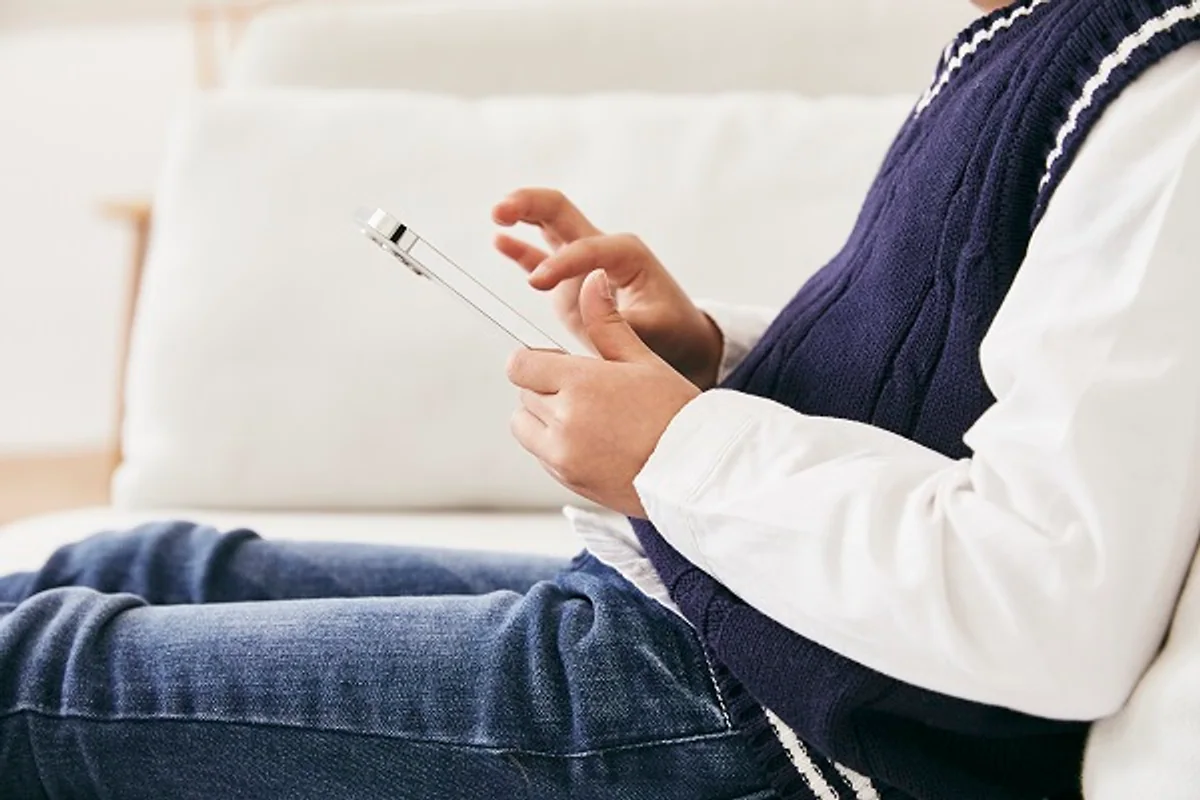

Recently, the trend of consuming shorter and more intense content is becoming prevalent. A simple example is a short-form video that lasts less than one minute.
However, experts voice that the more you become addicted to these contents, the more 'popcorn brain symptoms' can appear. Popcorn Brain is a term coined by Professor David Levy of Washington University's Graduate School of Information. The brain's frontal lobe responds when exposed to visual or emotionally immediate and stimulating images. And repeated exposure makes it more resistant. As a result, people lose interest in daily life and seek only greater stimulation, like popping popcorn.
Professor JeongSeok Choi of the Department of Psychiatry at Samsung Seoul Hospital stated, "Usually, we feel better when we watch movies, dramas, beautiful nature, or listen to music. "But when popcorn symptoms persist, people would likely inure to the small, day-to-day pleasure. As a result, helplessness, depression, anxiety, impulsive, emotional changes may occur, and cognitive decline such as poor concentration may also follow," he warned.
Professor EunJoo Kim of the Department of Psychiatry at Gangnam Severance Hospital expressed, "41 previous studies have shown that the younger, the more adversely the frontal lobe is affected, causing a decrease in concentration." "It got worse as active socialization was precluded due to COVID-19," she said.
People should maintain a balanced online and offline lifestyle to prevent popcorn brain harm. Therefore, it is good to set the time to use electronic devices. In addition, people can utilize the auto-play option through settings; video media usually allows users to continue their main interest topics through artificial intelligence algorithms automatically.
On the other hand, healing images such as nature or white noise are also effective for brain health management. Professor JeongSeok Choi sounded, "For a healthy brain, the balance of the parts of the brain that are active when you are concentrating and the parts of the brain that are active when you are relaxing is crucial." "Thus, watching a peaceful video in which your eyes can rest helps to balance your brain, or just keeping your eyes closed and staying calm is also helpful," he advised.
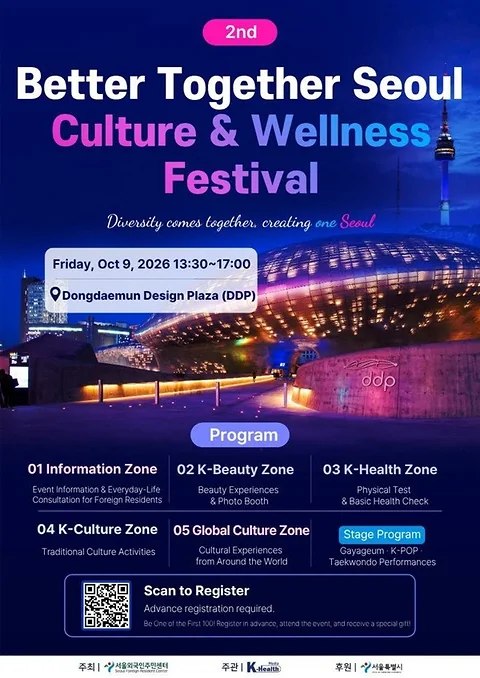
![[Card News] Better Together Seoul Culture & Wellness Festival...See you on October 9 at DDP Oullim Square!](/news-images/85341c44f72401a7415c4da5ca3242f3434fe2a10935287f5b87d7acbd88ad87-480-v1.webp)