Possible with the attachment of MACO robot sensors
Surpassed 5,000 cases in just one year
The next goal is robotic joint replacement surgery
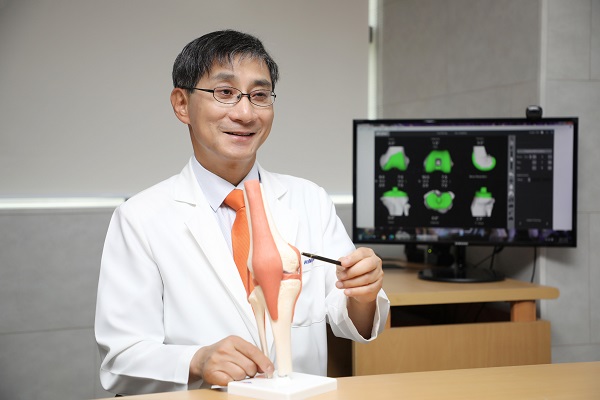
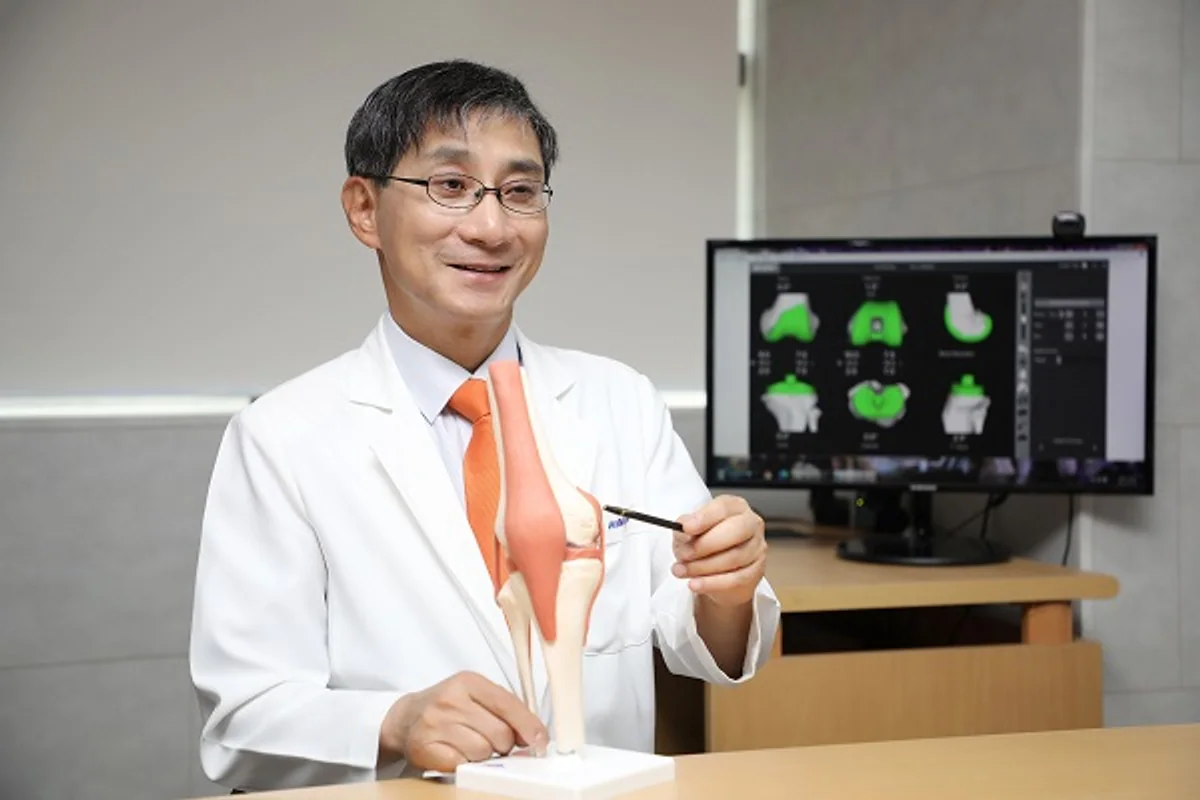
"If any doctor has ever performed robotic joint replacement surgery, they would have felt it is good for patients. It's a surgery done once in a lifetime, so why not choose a better path for the patients?"
With a confident gaze, Director Lee Soo-chan of Himchan Hospital spoke. In June last year, Himchan Hospital took the first step into robotic joint replacement surgery by introducing the Mako robot from Stryker. Following achieving 100 cases in just over a month, they surpassed 5,000 cases as of last month.
Director Lee Soo-chan stated, "The synergy between our hospital's extensive experience in conventional robotic joint replacement surgery and robotic joint surgery systems integration has been remarkable."
As of the end of July, Himchan Hospital's cumulative total of knee robotic joint replacement surgeries reached 133,800 cases. Considering that the total number of knee robotic joint replacement surgeries in South Korea last year was 109,799 (according to the National Health Insurance Service), Himchan Hospital performs approximately 7-8% of knee joint replacement surgeries nationwide.
In particular, the significant achievements in robotic joint replacement surgeries were attributed to the collective efforts of all medical staff. Director Lee emphasized, "All medical staff from the six Himchan Hospitals empathized with the benefits of robotic surgery and worked together to enhance success rates.
Most importantly, we regularly held video conferences to share our surgical experiences and expertise. While robotic joint surgery relies on robots for precision, ultimately, the surgeons' skill and expertise lead to successful operations.
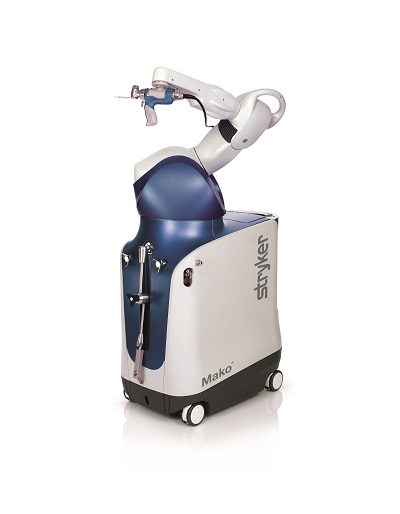
The adoption of the Mako Robot (pictured) was an excellent decision. Notably, the Mako Robot calculates the axis of the leg by attaching sensors to the knee without the need for cutting guides (essential for aligning the leg axis), which can reduce bleeding. This advantage offers significant hope to patients for whom surgery is challenging using traditional joint replacement methods.
"In cases where metal plates or screws are fixed after fractures in the femur or other leg areas and are inevitably left behind or not removed in time, traditional joint replacement surgery becomes impossible. However, with the Mako Robot, it is entirely possible with just the attachment of sensors. There have been recent cases like this, and the surgical outcomes and the satisfaction of both the patient and myself were incredibly gratifying."
The next goal for Himchan Hospital is to perform partial joint replacement surgery using robotics. Partial joint replacement involves replacing only the worn-out cartilage with an artificial joint. Typically, a portion of the bone is incised to replace only the leg axis, which can leave residual pain after surgery and require the use of crutches for about two weeks. In contrast, with robotic surgery, it is explained that precise ligament balance can be achieved while reducing post-operative pain. Moreover, the most significant advantage is walking immediately after surgery.
In the future, we will continue accumulating clinical experience and bring hope to many patients who have endured severe pain from degenerative joint arthritis. It would be even better if robotic joint replacement surgery became more accessible to the public, reducing financial burdens.
※ The Mako robot is
the only artificial joint surgery robot(robotic joint) to receive simultaneous FDA approval for knee partial replacement surgery in 2006, hip replacement surgery in 2012, and knee and hip total replacement surgeries in 2015. It currently holds the top position in the global market, being introduced in 29 countries including the United States, the United Kingdom, Germany, and Australia, with over 500,000 clinical cases and more than 200 research outcomes as of July 2021.
The Mako robot consists of a computer program and a robotic arm. The computer program accurately calculates the cutting areas of the joint based on the patient's knee information obtained through preoperative 3D CT scans and presents it to the surgeon.
Unlike other artificial robotic joint surgery robots, the Mako robot semi-automatically allows the surgeon to control the robotic arm, enabling flexible adaptation to various variables. It features a haptic zone function, providing virtual guidelines to inform the surgeon of the cutting range. If the robotic arm goes beyond the predefined boundaries, it automatically stops, allowing for precise and safer surgery.
![[Card News] Better Together Seoul Culture & Wellness Festival...See you on October 9 at DDP Oullim Square!](/news-images/85341c44f72401a7415c4da5ca3242f3434fe2a10935287f5b87d7acbd88ad87-480-v1.webp)