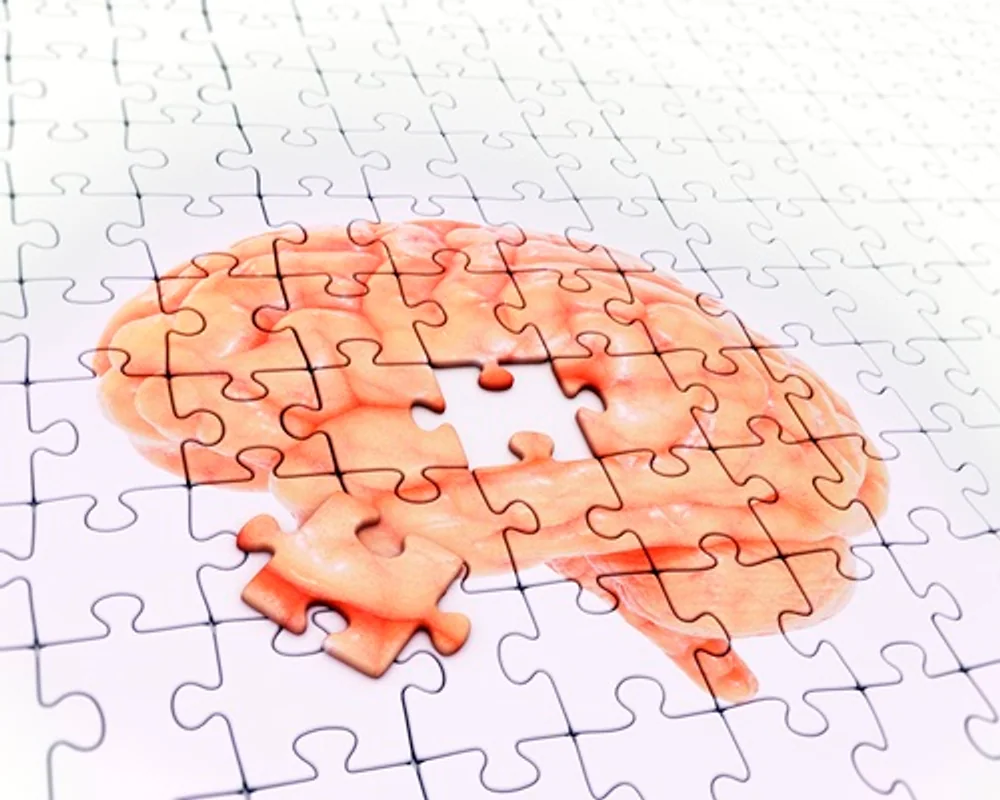
Dementia remains challenging to treat fundamentally, emphasizing the importance of prevention and early diagnosis. As of 2021, the annual management cost per dementia patient is estimated at 21.12 million KRW, with total domestic dementia management costs exceeding 20 trillion KRW. Fortunately, experts emphasize that in the mild cognitive impairment stage, perceptual, reasoning, and daily life abilities are preserved, highlighting the potential to prevent dementia with proactive management. In response, Health Trends has planned a segment called 'Understanding Dementia' to explore the entire process of dementia treatment, from its current status to therapies and cutting-edge medical technologies. <Editor's Note>
Mild cognitive impairment (MCI) is a condition where cognitive functions such as memory are impaired compared to the same age group. If left untreated, MCI can deteriorate into Alzheimer's disease. However, many people overlook the diagnosis of MCI and only seek treatment after it has progressed to Alzheimer's disease.
Many pharmaceutical companies are actively developing dementia drugs. Among them, drugs like aducanumab and lecanemab are prominent examples. However, concerns about safety, such as brain swelling (ARIA-E) or micro bleeding (ARIA-H), as well as the high cost of treatment, indicate that it is still early for these drugs to be commercialized.
In light of this, new medical technologies related to the early diagnosis and treatment of dementia are emerging as alternative solutions. The 'New Medical Technology Evaluation System' operated by the National Evidence-based Healthcare Collaborating Agency (NECA) was introduced in 2007 to assess the safety and clinical utility of new medical technologies, including treatment methods and diagnostic procedures. If a new medical technology is recognized for its safety and efficacy through this evaluation, it can be utilized in the healthcare market.
■ Advancements in Technology for Early Diagnosis of Alzheimer's Disease
The 'AlzPlus' Alzheimer's early diagnosis auxiliary kit from Quantumatrix entered the new medical technology evaluation process last year after being published in a clinical paper.
AlzPlus aids in the early diagnosis of Alzheimer's disease, which accounts for over 71% of dementia cases in individuals aged 65 and above, by determining the accumulation of beta-amyloid, a substance known to cause Alzheimer's, in the brain through blood analysis. Quantumatrix obtained manufacturing certification from the Ministry of Food and Drug Safety in 2021 and conducted clinical trials over the past two years at Seoul National University Hospital, Samsung Medical Center, and other institutions.
The use of positron emission tomography (PET) for conventional dementia diagnosis faces challenges such as high testing costs, limited availability of medical institutions equipped with PET scanners, and risks of radiation exposure during repeated scans, leading to reduced accessibility to the test.
Additionally, conventional blood tests rely on a single marker, 'amyloid-beta (Aβ),' which accumulates in the blood up to 15 years before the onset of Alzheimer's disease. In contrast, AlzPlus simultaneously examines four biomarkers that affect the generation and inhibition of Aβ, including Aβ itself, correcting errors from single biomarker use and enhancing test accuracy. Moreover, it minimizes the impact of tester proficiency by employing fully automated testing equipment. It utilizes artificial intelligence (AI) algorithms to analyze results, thereby improving the accuracy of Alzheimer's disease progression and risk prediction.
■ Unmet Demand for Therapeutic Development: Addressing Mild Alzheimer's Disease
Recently, clinical trials have been underway in the United States to investigate whether mild cognitive impairment (MCI), a pre-dementia stage, can be improved using accelerated transcranial magnetic stimulation (TMS).
TMS is transcranial magnetic stimulation, which involves placing a large electromagnetic coil on the scalp and passing electrical currents through it to stimulate brain nerve cells, thereby generating a magnetic field in the brain tissue. It is used in the treatment of severe depression when medication is not practical. It is also used to measure the ability to transmit electrical signals to various neural circuits in the brain.
The US FDA approved TMS in October 2008 as a treatment method utilizing magnetic fields, and it has since been used worldwide.Korean companies have also developed TMS. AT&C has developed a therapeutic device that integrates TMS with digital therapeutic programs for dementia. This device incorporates proprietary artificial intelligence video analysis and robot control technology to create a precise and automated system.
Furthermore, the technology applied in this device has been recognized as the first "convergent non-invasive brain disorder treatment technology" in Korea. In October 2021, it was selected as a guide service technology for the new medical technology evaluation. Additionally, in March 2022, it was chosen as a support recipient for comprehensive assistance throughout the treatment process.
The therapeutic device developed by AT&C targets mild Alzheimer's disease, aiming to maintain cognitive function to the fullest extent by combining drug therapy with TMS.
AT&C has developed a navigation system that utilizes medical image-based location analysis to integrate with TMS equipment, facilitating precise targeted therapy. Currently, it is conducting a multicenter confirmation clinical trial approved by the Ministry of Food and Drug Safety, comparing the effectiveness and safety of mild Alzheimer's disease treatment before and after therapy in patients undergoing drug therapy. The clinical trial is conducted at various hospitals, including Korea University Anam Hospital, Chungnam National University Hospital, Dong-A University Hospital, Jeonbuk National University Hospital, and Chonnam National University Hospital.
Neurology professor Lee Ae-young from Chungnam National University Hospital emphasized in a past interview, "Currently, dementia is being treated with a combination of medication and other therapies such as cognitive intervention therapy and transcranial magnetic stimulation." She further noted, "Especially since 2017, cognitive intervention therapy has been recognized as an emerging medical technology, indicating that various approaches are actively being explored to meet the unmet demand.
![[Card News] Better Together Seoul Culture & Wellness Festival...See you on October 9 at DDP Oullim Square!](/news-images/85341c44f72401a7415c4da5ca3242f3434fe2a10935287f5b87d7acbd88ad87-480-v1.webp)