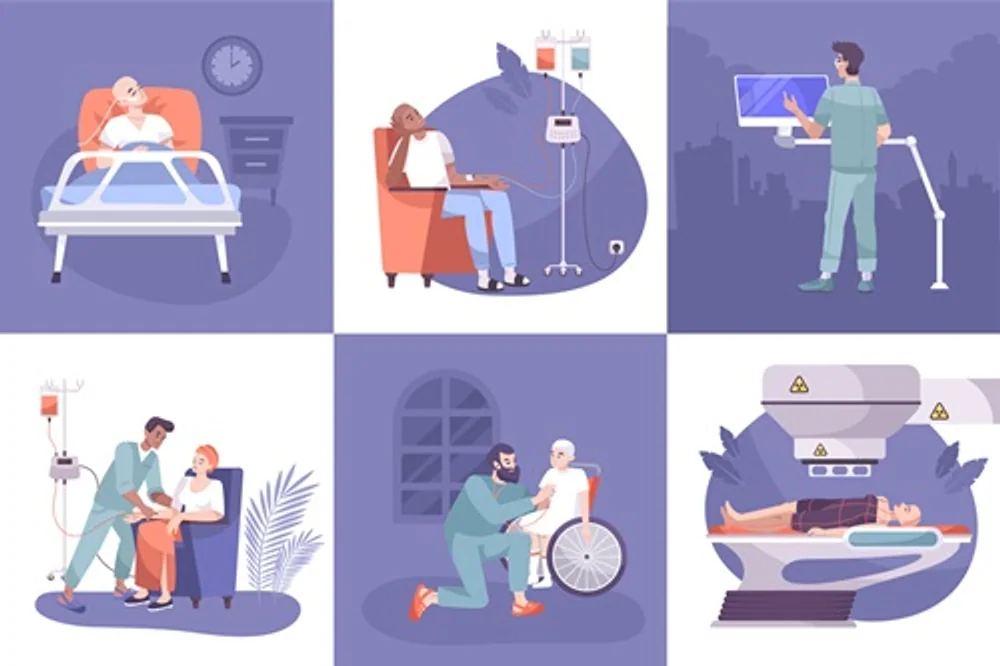
Cancer treatment can be distressing for both patients and their families, and the spread of misinformation from various sources can further exacerbate the difficulties faced by patients. Surprisingly, a solution to this problem may be closer than one might think. Professor Young-il Go of the Hematology-Oncology Department at Seoul National University Hospital advises, 'When starting cancer treatment for the first time, hospitals provide informational booklets. Reading these booklets carefully is the most efficient way.
■Can Cancer Drug Side Effects be Reduced? (O)
Cancer drugs have varying side effects depending on their type. Given the nature of cancer drugs, which aim to destroy cancer cells, it is often difficult to avoid side effects. The best way to minimize side effects is to administer the drug in the appropriate dosage. There is a narrow range between the 'therapeutic dose' and the 'side effect dose' for cancer drugs. For instance, vitamins do not significantly impact the body whether you take one or ten. Still, with cancer drugs, even minor variations in dosage can result in significant differences in side effects, necessitating regular monitoring.
Professor Young-il Go emphasized that 'Patients taking cancer drugs should inform their healthcare providers if they are taking other medications, and efforts should be made to minimize susceptibility to infections and reduce exposure to sources of infection.'
■Is Meat Bad for Cancer Patients? (X)
Deciding what to eat during cancer treatment can be a dilemma. Many cancer patients often avoid meat, believing it to be harmful. However, during cancer treatment, providing sufficient nutrition is paramount. Therefore, a balanced diet, including proteins, should be maintained.
Professor Han-sang Kim of the Department of Oncology at Yonsei Cancer Hospital emphasized, 'Nutritional supplementation through food is recommended, but caution should be exercised regarding high-nutrient intakes, such as concentrates and extracts, as the impact on cancer cells is not yet well-understood.'
■ Should All Cancer Patients Receive Radiation Therapy? (X)
Cancer treatment typically refers to chemotherapy, but in a broader sense, it also includes radiation therapy. Cancer treatment, as a 'systemic therapy,' involves cancer drugs targeting cancer cells throughout the body.
In contrast, radiation therapy and surgery are considered 'local therapies,' directly removing the affected area through surgery or radiation treatment. Therefore, the combination of cancer treatment, radiation therapy, and surgery is chosen based on the patient's tumor distribution.
■Is Recovery Difficult After Cancer Treatment? (△)
Some patients may not fully recover to their pre-cancer treatment state for various reasons. However, efforts to reduce post-treatment side effects continue, and aside from differences in recovery periods, most patients achieve long-term recovery. Professor Young-il Go advises, 'If successful cancer treatment has been achieved, it's advisable not to rush the recovery process but to approach it positively.'
■Is Exercising During Cancer Treatment Prohibited? (X)
Appropriate exercise can boost the immune system. Engaging in some form of light exercise regularly is recommended, as a complete lack of physical activity can lead to fatigue. However, adjusting the exercise intensity according to each patient's exercise capabilities and difficulties caused by cancer drugs is essential. To avoid experiencing severe fatigue, start with low-intensity exercises and regularly engage in exercises that improve flexibility and balance.
■Can You Participate in New Drug Clinical Trials During Cancer Treatment? (X)
Participating actively in new drug clinical trials is advisable, as the medications developed in these trials may not be obtainable through other means and may become standard treatments in a few years. Professor Han-sang Kim advises, 'Those who have already received cancer treatment may not be eligible to participate in new drug clinical trials, so proactive consultation with healthcare professionals is necessary during the initial treatment phase.'
![[Card News] Better Together Seoul Culture & Wellness Festival...See you on October 9 at DDP Oullim Square!](/news-images/85341c44f72401a7415c4da5ca3242f3434fe2a10935287f5b87d7acbd88ad87-480-v1.webp)