Body contouring is one of the areas of plastic surgery attracting considerable interest among international patients visiting South Korea. In particular, patients who research Korean plastic surgery clinics online often arrive at consultations already familiar with procedures such as liposuction, tummy tuck (abdominoplasty), and mommy makeover.
However, the procedure a patient wants is not always the one they actually need. Although both liposuction and tummy tuck surgery can improve the appearance of the abdomen, they address different concerns.
Rather than focusing on which procedure is more popular, patients should first seek an accurate diagnosis to understand why their abdomen looks the way it does.
Liposuction: When Stubborn Fat Is the Main Concern
Liposuction may be an option for patients who struggle to lose fat around the abdomen and waist despite regular exercise and dietary changes, particularly when their skin retains relatively good elasticity.
Liposuction removes excess subcutaneous fat to create smoother contours around the abdomen and waist. It may be suitable for patients with localized fat deposits in areas such as the lower abdomen or flanks, provided they do not have significant skin laxity.
However, if the skin has already become considerably stretched or loose, removing fat alone may not produce the desired body contour.
Tummy Tuck: When Loose Skin Remains After Weight Loss
A different approach may be needed when loose abdominal skin remains following significant weight loss, pregnancy, or childbirth.
A tummy tuck, medically known as abdominoplasty, is a surgical procedure that removes excess, sagging skin and improves the overall abdominal contour. When necessary, the condition of the abdominal wall is also taken into consideration.
While liposuction primarily focuses on reducing unwanted fat, a tummy tuck addresses loose skin as well as the shape and underlying structure of the abdomen.
Dr. Soon Hong Kwon of JK Plastic Surgery Center explained, "If a patient has returned to their pre-pregnancy weight but still has a protruding lower abdomen or loose skin, evaluating the amount of fat alone is not enough. Changes in the skin and abdominal wall must also be assessed. Depending on the patient's condition, a combination of liposuction and tummy tuck surgery may be considered."
International Patients Must Plan Beyond the Surgery
For international patients undergoing plastic surgery in Korea, recovery and departure schedules are important considerations.
Unlike local patients, international visitors often have a limited period of stay in Korea and may need to take long-haul flights after surgery.
This is particularly important for more extensive procedures such as abdominoplasty.
Before undergoing surgery, patients should discuss several important questions with their medical team:
· When will they be able to resume normal daily activities and mobility?
· How long should they remain in Korea after surgery?
· What medical assessments are necessary before departure?
· How will postoperative care continue after they return home?
For international patients, body contouring should therefore be planned as one continuous treatment journey:
Consultation → Surgery → Recovery → Departure → Aftercare
Considering each stage in advance can help patients prepare for both their surgical procedure and the recovery process.

How Can International Patients Choose a Safe Plastic Surgery Clinic in Korea?
When selecting a plastic surgery clinic in Korea, international patients should look beyond treatment costs, online reviews, and popularity.
Patient safety and the quality of preoperative and postoperative care are equally important factors.
South Korea has an official accreditation program administered by the Ministry of Health and Welfare to evaluate healthcare institutions serving international patients.
The program assesses approximately 140 criteria, including patient safety, healthcare service quality, infection control, surgical and procedural safety, anesthesia and sedation management, medication management, emergency response systems, and services for international patients.
International patients seeking a reliable plastic surgery provider in Korea are therefore encouraged to check whether the institution holds relevant accreditation.
They should also confirm who will perform the surgery, how anesthesia and emergencies are managed, and whether the clinic has appropriate inpatient facilities and postoperative recovery systems.
JK Plastic Surgery Center: Comprehensive Care from Consultation to Recovery
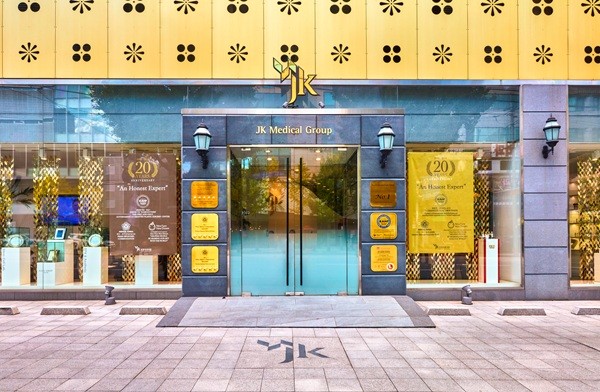
JK Plastic Surgery Center is recognized as South Korea's first medical institution accredited under the Ministry of Health and Welfare's program for healthcare institutions serving international patients.
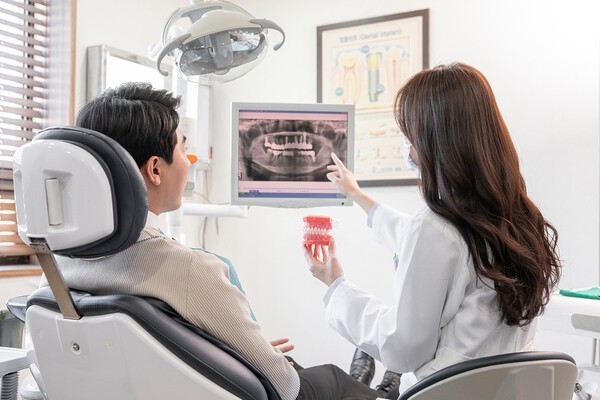
Rather than simply recommending a procedure based on the name a patient has searched for online, JK Plastic Surgery Center emphasizes understanding each patient's concerns, current body shape, and desired changes before determining an appropriate treatment approach.
For international patients, treatment planning must take into account not only the surgical procedure itself but also the length of stay in Korea, the recovery process, departure arrangements, and follow-up care after returning home.
With these considerations in mind, JK Plastic Surgery Center provides medical services through board-certified plastic surgeons with an average of more than 20 years of experience.
The center also maintains a system in which an anesthesiologist and nursing staff are available on-site 24 hours a day.
In addition, JK Plastic Surgery Center operates postoperative recovery programs and inpatient care facilities to support international patients throughout their treatment journey, from initial consultation and surgery to recovery in Korea.
Successful Body Contouring Is Not About Removing the Most Fat
The goal of liposuction or tummy tuck surgery should not be defined simply as achieving a flatter or slimmer abdomen.
In practice, surgeons must consider a range of factors, including the patient's overall body proportions, skin condition, the natural transition from the waist to the abdomen, and the contours connecting the flanks and hips.
Postoperative scarring and recovery must also be taken into account.
For these reasons, neither liposuction nor tummy tuck surgery can be considered universally superior to the other.
Dr. Soon Hong Kwon of JK Plastic Surgery Center emphasized, "Our approach to body contouring begins not with choosing a procedure, but with identifying the underlying reasons for the patient's current abdominal appearance. Based on that assessment, we develop an individualized surgical plan that considers both the necessary extent of surgery and the recovery process."
The surgeon added, "International patients considering body contouring in Korea should undergo a thorough evaluation and consultation covering fat distribution, skin elasticity, and the condition of the abdominal wall before deciding which procedure is right for them."