

The Korean Society for Anti-Aging Dermatology to Hold 16th Summer Scientific Meeting, Spotlighting 'Skin Longevity' and Latest Clinical Insights
94 lectures across four sessions — debut 'Controversy Session' to sharpen clinical judgment of dermatologists
- Korean Society for Anti-Aging Dermatology
- Skin Longevity
- Controversy Session
- aesthetic medicine
- clinical practice
 장인선 기자

As consumer awareness of aesthetic medicine continues to grow, the scientific basis of procedures and physicians' expertise are drawing greater scrutiny. An increasing number of patients now seek more professional, systematic care — not simply a procedure.
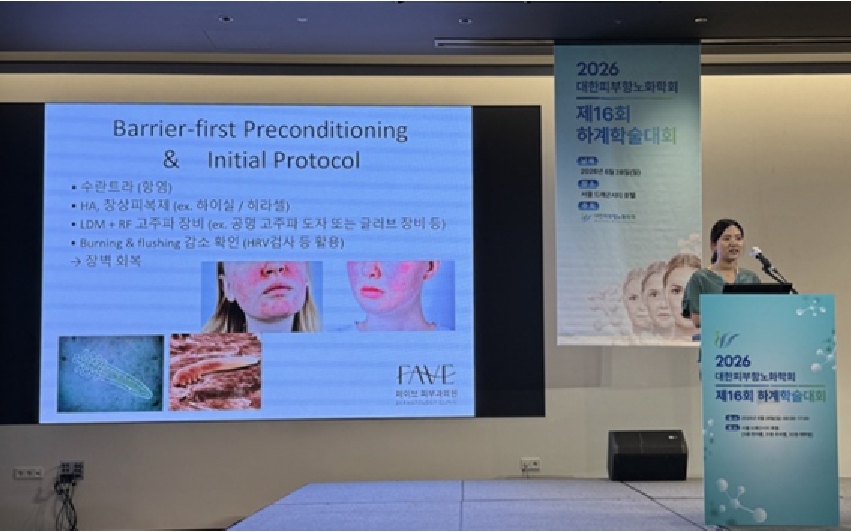
The Korean Society for Anti-Aging Dermatology will hold its 16th Summer Scientific Meeting on June 28 at Seoul Dragon City, presenting 94 comprehensive lectures across four specialized sessions to redefine treatment paradigms.
■ 94 Lectures Across Four Sessions — Comprehensive Coverage of Anti-Aging Medicine
KSAAD is a medical academic society composed of board-certified dermatologists that holds two regular scientific meetings each year, sharing advances in clinical anatomy, aging mechanisms, and the latest procedure trends. This summer's meeting will feature 94 lectures across four sessions (A through D), offering one of the most comprehensive programs in the society's history.
■ 'Skin Longevity' Research Session Debuts — Redefining the Future of Skin Health
The centerpiece of this year's meeting is a newly established 'Skin Longevity' research session. The concept of skin longevity — maintaining skin health over the long term, beyond simply looking younger — has been gaining momentum in both research and clinical practice. The session will provide an in-depth look at the latest trends in skin aging science and the evolving treatment paradigm. Through this session, the society aims to chart the future direction of aesthetic medicine.
■ 'Controversy Session' Introduced for the First Time — Building Clinical Judgment
Another highlight is the debut 'Controversy Session,' introduced for the first time this year. Rather than delivering straightforward answers, the session presents contrasting perspectives on key issues in aesthetic medicine, encouraging participants to reflect on their own clinical reasoning and decision-making criteria. The format is expected to sharpen dermatologists' clinical insight and problem-solving skills.
■ Rich Program on Fillers, Botulinum Toxin, and Energy-Based Devices
The meeting will also feature signature KSAAD programs, including site-specific filler guideline lectures by leading experts and clinical anatomy sessions using 4K video. Foundational courses on botulinum toxin, fillers, and energy-based devices (EBD) are also on the agenda, offering practical support for practitioners at all levels.
■ 'Connecting Basic Research and Clinical Practice' — A Continuing Mission
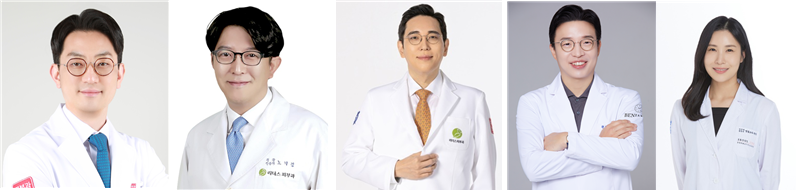
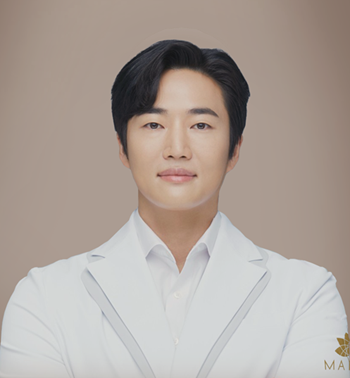
Kwang-Ho Han, M.D., President of the Korean Society for Anti-Aging Dermatology (Director, Nature Dermatology Clinic), stated: "Since its founding, the society has played a role in bridging basic research and actual clinical practice. I hope this scientific meeting helps dermatologists build differentiated competitiveness."
Nak-Kyung Noh, M.D., Chairperson of the 16th Summer Scientific Meeting (Cheongdam Dosanro Leaders Dermatology Clinic), added: "In the rapidly evolving field of aesthetic medicine, expertise, deep understanding, and clinical insight matter more than experience alone. We have strengthened the clinical anatomy-based procedural approach and foundational education to provide practical benefit."
FAQ
Q. When and where is the KSAAD Summer Scientific Meeting?
A. June 28, at Dragon City Hotel, Seoul.
Q. How large is the meeting?
A. 94 lectures will be held across four sessions (A through D).
Q. What is the core theme?
A. 'Skin Longevity' — the concept of maintaining long-term skin health beyond simply looking younger.
Q. What is the Controversy Session?
A. A debate-style program presenting opposing viewpoints on major aesthetic medicine issues to foster clinical reasoning skills.
Q. What other educational programs are offered?
A. Site-specific filler guidelines, 4K anatomy lectures, and foundational courses on botulinum toxin, fillers, and energy-based devices (EBD).
Q. What is the Korean Society for Anti-Aging Dermatology?
A. A board-certified dermatologist academic society founded in 2003, with over 20 years of research and academic activity in anti-aging dermatology.