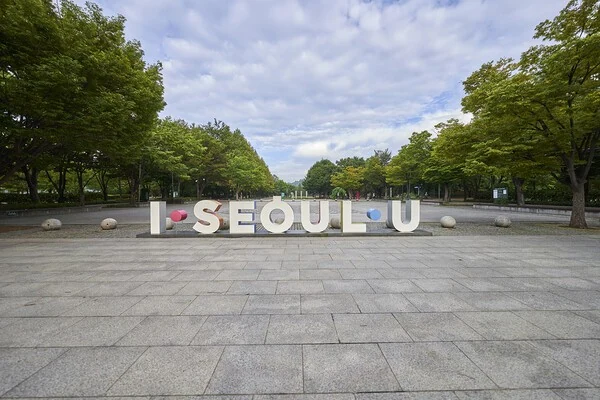
For medical travelers, the journey does not stop at the hospital door. Recovering from surgery or a procedure takes proper rest and care tailored to one’s condition, and light walking, when cleared by the medical team, can help rebuild physical function lost after surgery and keep blood circulating well.
Seoul has become one of the world’s leading medical tourism destinations, and alongside its top-tier hospitals it offers plenty of green space, from the Hangang River and its tributary streams to forested parks in the middle of the city. In Gangnam-gu and Apgujeong-dong, where clinics and hospitals cluster, fairly level walking paths and places to rest let patients who are able to venture outside after treatment enjoy a taste of Seoul’s natural side.
That said, walking after surgery is not the same prescription for everyone. When patients can start moving and how much they can do depend on the operation, the area treated and how far along recovery is, so the medical team’s instructions should always come first.
Why a little walking after surgery helps circulation and guards against clots
Staying active without pushing too hard is a central part of recovering from surgery. Long stretches in bed or a sharp drop in movement can slow blood flow through the leg veins and weaken the muscles. Surgery combined with prolonged inactivity is a recognized risk factor for venous thromboembolism, which includes deep vein thrombosis (DVT) and pulmonary embolism.
Each step contracts and relaxes the calf muscles, which pushes venous blood back toward the heart. This mechanism is often called the “calf muscle pump.” Getting up and walking early, at an appropriate level, is considered part of good recovery care because it helps prevent post-operative clots, preserves muscle strength and eases the return to daily routines.
The UK National Health Service (NHS) stresses the importance of getting moving as soon as possible after an operation, noting that long periods in bed can let blood pool in the legs and raise the risk of clots. In the U.S., Mayo Clinic likewise points out that short, regular walks after surgery help patients regain stamina and physical function.
Does more walking mean swelling goes down faster?
Not all post-surgical swelling is handled the same way. After facial surgery, the medical team may ask patients to keep their head raised at a certain level or to limit their activity. After surgery on the legs, elevating the legs, applying cold packs or using compression may be advised. Which measures apply depends on the type of operation and the patient’s condition.
Walking too far or exercising too hard can actually make pain and swelling at the surgical site worse. Rather than a workout to speed up the disappearance of swelling, a walk after surgery is best seen as a gradual return to activity within the limits the medical team has set.
Outdoor walks follow the same logic. Only once the medical team has given the go-ahead to go outside should patients pick a flat route near where they are staying, one that lets them stop to rest or head back whenever they need. A companion may be needed in the first days after surgery, and anyone still feeling dizzy from painkillers or anesthesia should stay in.
From the relaxed Hangang riverside to city forests: recovery-friendly walks in Seoul
Places to stretch one’s legs are easy to find across Seoul. Jamwon Hangang Park, Yangjaecheon Stream and Seoul Forest, all within reach of the Apgujeong-dong, Sinsa-dong and Gangnam-gu areas where hospitals are concentrated, are three of the city’s best-known green spaces, and each has a character of its own.
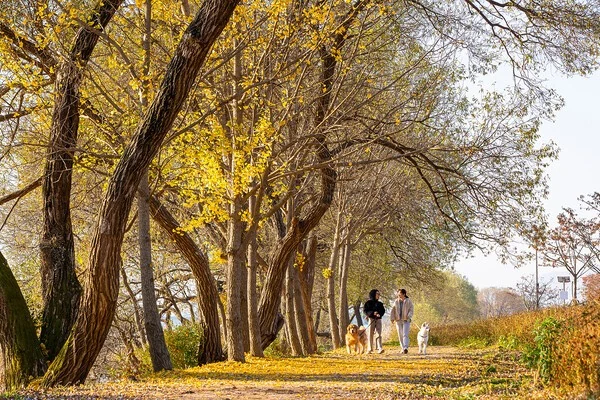
Jamwon Hangang Park lies along the river next to Apgujeong-dong, Sinsa-dong and Jamwon-dong. Its riverside promenade opens onto wide views of the Hangang River, and facilities such as restrooms and convenience stores are on hand.
For international patients treated at clinics around Apgujeong-dong and Sinsa-dong, the park is a convenient option for a short walk once they are allowed out. Keep in mind, though, that parts of the riverside offer little shelter from sun and wind and are busy with cyclists, so it is wise to check the route and the weather beforehand.
Yangjaecheon Stream winds through the Dogok-dong, Daechi-dong and Maebong neighborhoods, and its tree-lined banks make for a pleasant walk beside the water. It offers a slice of nature in the middle of the city, with scenery that shifts from season to season along the way.
Getting down to the streamside path can involve slopes or stairs, however, so patients who have difficulty moving around should find an accessible entrance in advance. Picking a short stretch that is easy to reach makes more sense than trying to cover the whole trail.
Seoul Forest in Seongdong-gu is another green retreat worth a visit. Its many trees, gardens and walking paths offer a glimpse of both Seoul’s natural beauty and its everyday life. Since it takes some travel to get there from Gangnam, it suits medical travelers who can comfortably go out and get around better than those in the first stage of recovery.
None of these places is a medical facility or a dedicated rehabilitation center for post-operative patients. What makes them worthwhile is that patients whose medical team allows light outdoor activity can enjoy Seoul’s natural surroundings at a pace that fits their recovery.
Safety comes first on recovery walks: UV rays, infection and warning signs of clots
Planning time outdoors after surgery means thinking not only about where to go but also about the state of the wound, the weather and how far one will need to travel.
After operations that involve skin incisions or after laser treatments, UV exposure deserves extra attention, because strong sunlight on healing skin can lead to pigmentation or changes in how scars look. Wounds should be covered and cared for as the medical team instructs, and sunscreen should only go on once the wound has healed enough and its use has been approved.
In cold weather, staying warm is important. When fine dust levels are high or rain has made the ground slippery, moving around lightly indoors may be the safer choice.
Sudden swelling, pain or warmth in one leg after surgery could point to deep vein thrombosis. Shortness of breath, chest pain or fainting that comes on suddenly can be signs of an emergency such as pulmonary embolism and require emergency care right away. Fever, redness around the incision, more discharge than before or worsening pain should also be reported to the medical team.
Most importantly, walks should not be treated like stops on a packed sightseeing schedule. Good sleep, nutrition, fluids and regular checkups are the priorities during recovery, and walking should play a supporting role.
Questions and answers
How soon after surgery is it safe to start walking?
It depends on the operation, the area treated and your stage of recovery. Begin only when your medical team says you are ready, and follow their guidance on how much to do.
How does walking support recovery after an operation?
Each step works the calf muscles, which push venous blood back toward the heart. This “calf muscle pump” helps prevent clots and keeps the muscles from weakening.
What can happen if I stay in bed too much after surgery?
Blood flow in the leg veins can slow and muscles can weaken. Surgery combined with prolonged inactivity raises the risk of venous thromboembolism, such as deep vein thrombosis (DVT) and pulmonary embolism.
Will walking more help facial swelling go down faster after plastic surgery?
Not necessarily. Overdoing it can make pain and swelling worse, and facial and leg surgeries call for different swelling care, so follow the instructions you were given.
What are good places for a recovery walk near Gangnam and Apgujeong?
Jamwon Hangang Park beside Apgujeong-dong and Sinsa-dong, Yangjaecheon Stream through Dogok-dong, Daechi-dong and Maebong, and Seoul Forest in Seongdong-gu are popular choices. Go only after your medical team allows outings, and keep the pace gentle.
Is Jamwon Hangang Park a good spot for a short walk after treatment?
It is convenient for patients treated around Apgujeong-dong and Sinsa-dong. Some riverside sections are exposed to sun and wind and busy with cyclists, so check the route and weather first.
Is Yangjaecheon Stream accessible for people with limited mobility?
Some entrances to the streamside path involve slopes or stairs. Look for an accessible entrance in advance and choose a short, easy-to-reach section.
Should I visit Seoul Forest soon after surgery?
Because getting there from Gangnam takes some travel, Seoul Forest is better for patients who can already go out and move around comfortably, not those in early recovery.
When can I use sunscreen after a laser treatment or incision?
Only once the wound has healed enough and your medical team approves it. Until then, protect the area as instructed, since strong UV exposure can cause pigmentation or scar changes.
What symptoms after surgery need urgent medical attention?
Sudden swelling, pain or warmth in one leg may suggest deep vein thrombosis. Sudden shortness of breath, chest pain or fainting may signal a pulmonary embolism and require emergency care right away.
Should someone go with me on walks after surgery?
In the first days after surgery, a companion may be needed. If you still feel dizzy from painkillers or anesthesia, it is best to stay indoors.
Can I go for a walk when it is raining or the air quality is poor?
On slippery or high-fine-dust days, light movement indoors is often the safer option. In cold weather, dress warmly.