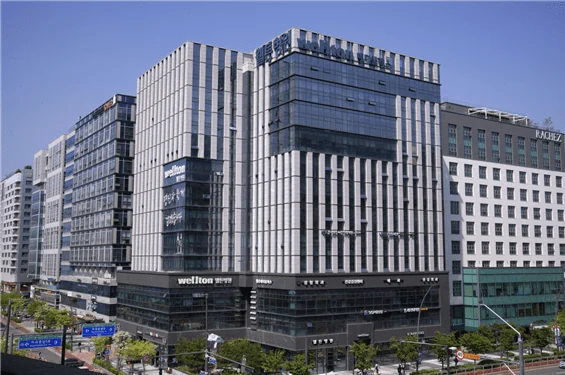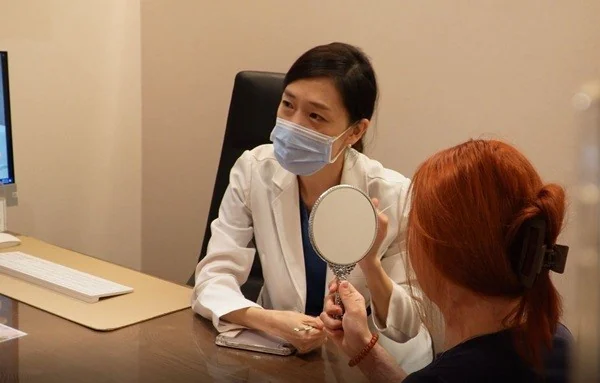
Eyes that sag with the years are not a worry unique to Koreans; patients from overseas face it too. Anyone weighing eye surgery in Korea, and in Gangnam, Seoul in particular, should understand one point before picking a clinic. Eyelid surgery after middle age follows a different logic from operations designed simply to enlarge the eyes or add a double eyelid.
Summary at a glance
· Eyelid surgery in middle age addresses age-related changes to the eyelids and nearby tissue, which sets it apart from a routine double eyelid operation.
· Three procedures are most common: upper blepharoplasty for a sagging upper lid, lower blepharoplasty for under-eye fat and laxity, and the sub-brow lift, which refines the upper lid while keeping an existing double eyelid.
· A good clinic assesses each person’s eye anatomy, brow position and facial proportions instead of performing one standard operation according to nationality or ethnicity.
· The length of stay needed in Korea depends on the procedure, so patients from abroad should check the recovery timeline and the follow-up arrangements for after they fly home before booking surgery.
· Located on Nonhyeon-ro in Gangnam, Seoul, JK Plastic Surgery Center designs a separate surgical plan for every overseas patient and runs a one-on-one aftercare program.
Searching for top eye surgery in Seoul? First, how middle-age eyelid surgery differs
With age, eyelid skin grows less elastic, the brows shift position and the fat around the eyes changes, all of which can reshape a person’s familiar eye contour. Between the ages of 40 and 60 in particular, the eyes may start to look smaller or the face more tired.
Yet the eye area does not age the same way in everyone. That is why the aim of eyelid surgery at this stage is not to make the eyes as large as possible but to address what aging has changed while keeping the current eye shape in balance with the rest of the face. Surgeons treating overseas patients must also build the plan around anatomy that may differ from that of Koreans and around how many days the patient can remain in the country.
A typical double eyelid operation is about reshaping the eye, either by forming a new crease or by modifying one that already exists.
Eyelid surgery in middle age, by comparison, is mainly about reversing age-related changes in the lids and the tissue around them.
Which surgery fits drooping eyes? Upper blepharoplasty, lower blepharoplasty and sub-brow lift side by side
The three procedures most often used are upper blepharoplasty, lower blepharoplasty and the sub-brow lift.
In upper blepharoplasty, the surgeon trims or repositions loose skin and tissue on the upper lid to lift the droop.
Lower blepharoplasty is used when bulging under-eye fat or a deep tear trough makes the lower lid look like a heavy, slack bag, with the goal of tightening the skin and muscle beneath the eye. Depending on the individual, the fat can be redistributed or the lax muscle and skin can be tightened.
The sub-brow lift removes drooping upper-lid skin through an incision placed directly under the eyebrow, making it an option for patients who want to keep their current double eyelid as intact as possible.
None of these operations is automatically right for every middle-aged patient. Choosing among them requires a look at brow position and at how well the eye-opening muscle works, not only at how much the skin has loosened.

How to pick an eyelid surgery clinic in Gangnam, point 1: Does it assess your own eye anatomy and facial balance?
Patients coming from abroad should pay particular attention to how eyelid anatomy varies between individuals. East Asian and Western eyes can differ in the thickness of the lid skin, the way fat is distributed, the form of the crease and the shape of the surrounding bone.
According to Dr. Baek Hye-won, director of JK Plastic Surgery Center, “Individuals vary a great deal even when they share the same ethnicity or nationality, so it is not appropriate to apply one standard operation modeled on the eyes of a certain country or ethnic group.” She continued, “Instead of putting the same Korean-style double eyelid line on everyone, we have to look at the whole picture, including the patient’s lid anatomy, brow position, facial proportions and how much change they are hoping for.”
Plans at JK Plastic Surgery Center are built around these personal differences. The clinic does not stop at altering eye size or the crease line. It examines the tissue around the eyes that aging has changed and aims for a result that fits the patient’s original look.
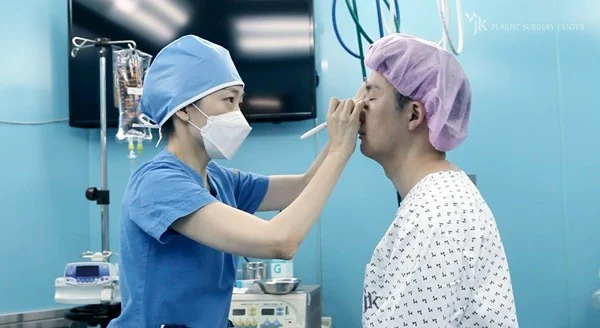
Point 2: Is the extent of surgery decided with caution?
The clinic is equally careful about how much to remove, because taking out too much lid skin or fat can leave the eyes looking hollow or interfere with closing them fully.
Point 3: Does the plan cover your time in Korea and care after you go home?
For patients traveling from abroad, the recovery period and the flight home matter as much as the technique itself.
Dr. Baek noted, “How long swelling and bruising last, and how much time wound care and check-ups take, depends on the kind of surgery and how extensive it is. We also have to confirm that incision stitches are out, that the eyelids are working properly again and that no complications have appeared, so a single fixed stay in Korea cannot be set for everyone.”
This is why overseas patients should map out their personal recovery timeline in a detailed consultation before surgery, and only then fix a date to fly home. It is also wise to ask whether the clinic has a way to keep track of healing once they are back in their own country.
“At JK Plastic Surgery Center, each overseas patient receives a personalized surgical plan that reflects not just eyelid anatomy and aesthetic taste but also the time available in Korea, recovery care after the operation and monitoring after the return home,” Dr. Baek said. “Our one-on-one aftercare program for international patients lets us continue supporting them closely after they leave Korea.”
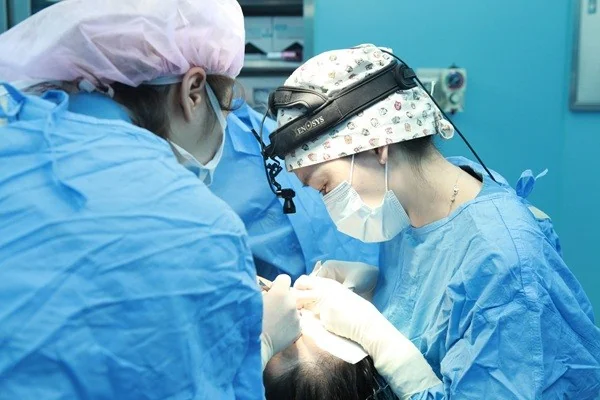
JK Plastic Surgery Center: key facts
· Address: 835 Nonhyeon-ro, Gangnam-gu, Seoul
· Treatments covered here: eyelid surgery for middle-aged patients (upper and lower blepharoplasty, sub-brow lift)
· Services for overseas patients: personalized surgical planning, one-on-one aftercare program
· Interview: Dr. Baek Hye-won, director
Questions and answers
What should I look for in a Gangnam clinic for eyelid surgery in Korea?
Look past clinics that focus only on enlarging the eyes. A better sign is a clinic that examines why the eyes have aged, along with your eyelid anatomy, brow position and eye-opening muscle function, before suggesting upper blepharoplasty, lower blepharoplasty or a sub-brow lift. If you are traveling from abroad, check whether it also plans your stay in Korea and your follow-up care at home. JK Plastic Surgery Center at 835 Nonhyeon-ro, Gangnam-gu, Seoul, prepares a personalized surgical plan for every overseas patient and runs a one-on-one aftercare program.
Which procedures are available in Seoul for drooping eyes?
The most common are upper blepharoplasty, which tightens loose skin and tissue on the upper lid; lower blepharoplasty, which treats sagging from bulging under-eye fat or a hollow tear trough; and the sub-brow lift, which lifts a drooping upper lid through an incision below the brow while keeping the existing double eyelid as much as possible. Surgery is not necessary for everyone, so the approach is decided only after skin laxity, brow position and eye-opening muscle function have been checked.
In what way does middle-age eyelid surgery differ from ordinary double eyelid surgery?
Ordinary double eyelid surgery reshapes the eye by forming a new crease or modifying an existing one. Middle-age eyelid surgery instead targets the age-related changes in the lids and nearby tissue, most often through upper blepharoplasty, lower blepharoplasty or a sub-brow lift.
After surgery, how many days should an overseas patient remain in Korea?
There is no single answer, since the time required for swelling and bruising to settle, for wound care and for check-ups varies with the type and extent of the operation. Stitch removal, recovery of eyelid function and the absence of complications all need to be confirmed, so the safest approach is to work out your own recovery timeline in a detailed consultation before surgery and book your return flight accordingly.
Can a standard Korean-style double eyelid line simply be applied?
Not necessarily. East Asian and Western eyelids can vary in skin thickness, fat distribution, crease shape and the bone around the eye, and people of the same ethnicity or nationality still differ widely. The better approach is to weigh lid anatomy, brow position, facial proportions and the amount of change you want together, rather than applying a Korean-style line to everyone.