
"Proton therapy is not a 'dream cancer cure'."
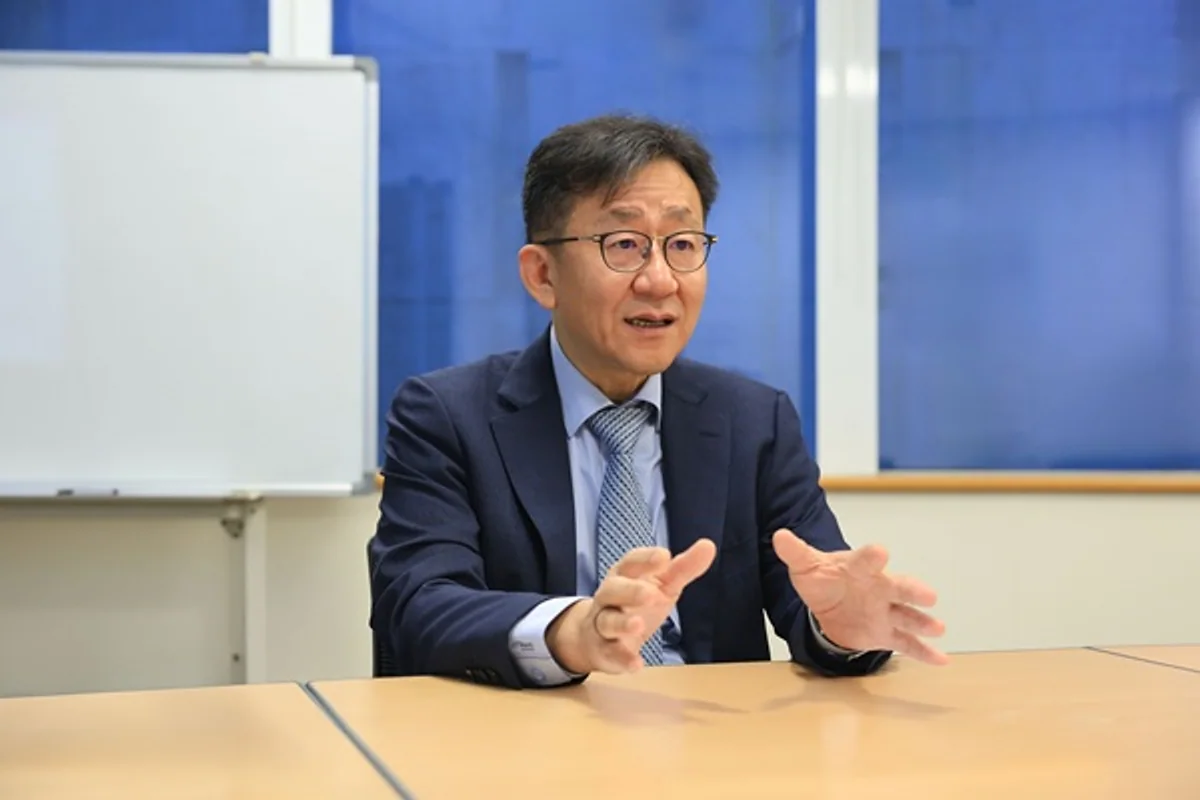
Director Park's opening remark was unexpected, as he prioritized correcting public perception over highlighting the Center's achievements.
Q : Why is establishing correct awareness so important?
A : Because the latest treatment methods are not effective for all types of cancer. Misconceptions can lead to unnecessary over-treatment. Proton therapy should be understood as a new modality that overcomes the limitations of conventional radiotherapy, and we must work toward establishing standard treatment guidelines.
Q : What specific activities are you conducting to improve public perception?
A : We are providing information about proton therapy in language that is easy for the public to understand through the hospital's YouTube channel. Also, whenever radiotherapy-related academic conferences are held, we participate to introduce the Center and address various questions. My hope is for the public to obtain reliable information through credible institutions.
Q : What do you consider the secret behind the Center's rapid growth?
A : Proton therapy inevitably requires more investment than it generates in profit—as the saying goes, if you earn 100, you spend 70 on maintenance. We also went through various trials and errors. However, as clinical evidence for proton therapy accumulated and insurance coverage expanded (now covering liver, lung, and esophageal cancers, etc.), demand grew naturally. In response, our specialized workforce—including radiation oncologists, nurses, radiographers, and engineers—worked together as a single team. While our infrastructure is ideally suited for approximately 600 patients, we treated 1,100 patients last year alone.
Q : How are you managing the workforce and patient flow?
A : We accommodate patients as efficiently as possible by assigning fixed staff to each treatment room and working in shifts. We are also building a digital system to minimize the burden of weekend and night shifts. Patient scheduling is managed holistically by dedicated coordinators. In particular, when a "no-show" occurs, they quickly consult with the medical staff to prioritize waiting patients, thereby minimizing time wastage for both patients and the medical team.
Q : Many hospitals are currently preparing to introduce proton therapy. What is your strategy in response to this?
A : As the number of treatment institutions increases in the future and patients become distributed across different regions, I believe it will actually serve as an opportunity for us to focus more intensely on research activities. Based on our decades of accumulated multidisciplinary care systems and advanced treatment research capabilities, we will establish standard treatment guidelines for proton therapy and lead the development of next-generation proton therapy methods driven by new technologies
![[Card News] Better Together Seoul Culture & Wellness Festival...See you on October 9 at DDP Oullim Square!](/news-images/85341c44f72401a7415c4da5ca3242f3434fe2a10935287f5b87d7acbd88ad87-480-v1.webp)