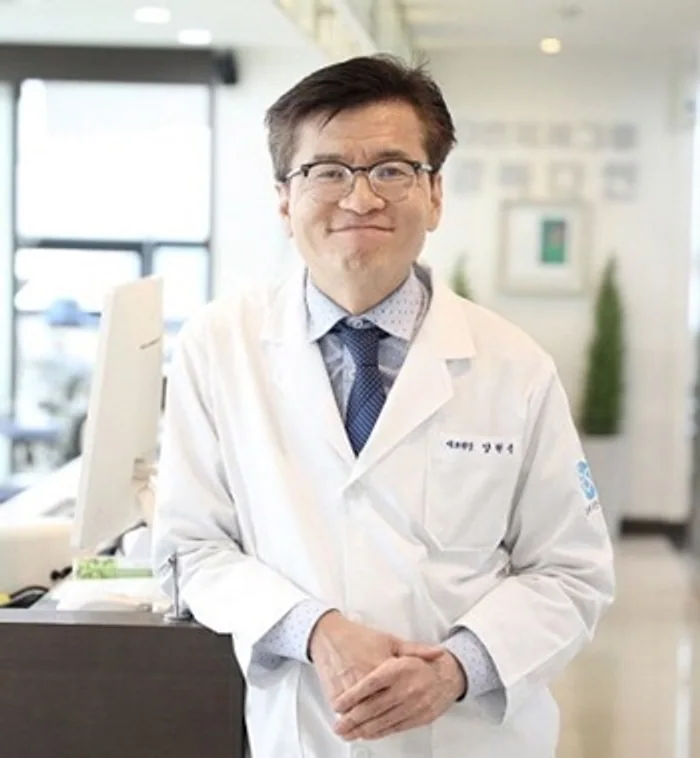
Yang Hyun-bong, Chief Director of Gangbuk Dain Dental Clinic
Octavio Paz states that in modern art, rebellion has become a procedure, negation is no longer creative, and ultimately, we realize the conceptual end of modern art.
Let us apply this insight to Dentistry 3.0. Are we witnessing a paradigm shift in dental treatment? Or have past innovations become routine, failing to find breakthroughs?
Dentistry 1.0 was centered on simple treatment. When a cavity formed, it was filled; when a tooth needed extraction, it was removed. The goal was functional restoration, and the patient was a passive participant. As Dentistry 2.0 emerged, prevention and aesthetic treatments were emphasized, patients’ expectations rose, and advancements in technology and materials supported this shift.
However, Dentistry 3.0 demands a conceptual change beyond this. With AI, digital technology, biomaterials, and patient-customized treatments, we are not merely facing progress but a conceptual transformation in dentistry.
Amid these changes, dentists must move beyond being mere technical specialists to becoming designers who conduct data-driven treatments. Dentistry is evolving by utilizing AI analysis to create optimal treatment plans, leveraging digital technology to produce more precise prosthetics, and pursuing minimally invasive treatments through a bioengineering approach. Just as modern art has moved beyond simple aesthetic expression to conceptual and philosophical currents, dentistry must now go beyond mere treatment to design health and quality of life.
However, as Octavio Paz noted, there is a risk that as change repeats, it becomes a procedure, and innovation itself becomes standardized. The advancement of digital dentistry does not automatically equate to innovation; what matters is how it is utilized and what philosophical direction it takes.
Dentistry 3.0 should not merely be about technological progress but should establish itself as a holistic concept in which dentists design patients’ lives and futures. Ultimately, like modern art, Dentistry 3.0 signifies not just a paradigm shift but a transformation in how we view dental care. When innovation becomes inertia, we may need to pose questions toward a new Dentistry 4.0.
Yang Hyun-bong, Chief Director of Gangbuk Dain Dental Clinic | Compiled by Reporter Jang In-sun | Translated by Jini Jung
![[Card News] Better Together Seoul Culture & Wellness Festival...See you on October 9 at DDP Oullim Square!](/news-images/85341c44f72401a7415c4da5ca3242f3434fe2a10935287f5b87d7acbd88ad87-480-v1.webp)