

Spring is the weather of rampant fine dust and pollen. At this time of year, rhinitis patients suffer from various respiratory symptoms such as coughing, runny nose, and stuffy nose. Moreover, if a person sneezes suddenly in public during this COVID-19 situation, he/she may be accused of an infection. However, allergic rhinitis or seasonal allergy, which gets worse in spring, and rhinitis, which occurs throughout all four seasons, are different from diagnosis and treatment. With Lee Sung-hoon and Hong Sung-moon, ENT specialists at GNG Hospital, the differences between rhinitis and seasonal allergy are clarified, including the diagnosis and treatment of the two diseases in detail.
Reporter: What are the symptoms of rhinitis?
Lee: The most common symptoms of rhinitis are runny nose and stuffy nose. If the nasal mucous membrane swells due to overreaction to external factors, symptoms such as runny nose, stuffy nose, hyposmia, and sneezing as mucus is discharged. Subsequently, secondary bacterial infection may lead to yellow-fluid runny nose, severe nasal congestion, and tympanitis (middle ear infection). If rhinitis is left untreated for a long time, virus or bacterial proliferation can easily occur in the sinus (space in the bone adjacent to the nostril), leading to sinusitis (sinus infection).
Reporter: What are the types of rhinitis?
Hong: Depending on the cause, rhinitis varies widely and is complex. In general, rhinitis can be divided into acute rhinitis, which is infectious rhinitis, and non-infectious rhinitis, which are often classified into colds and seasonal allergies.
Reporter: Can you explain more about the differences between seasonal allergy and rhinitis?
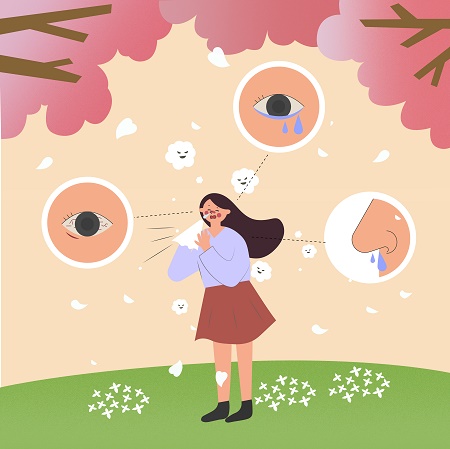
Lee: Seasonal allergy often occurs during the change of seasons and is caused by pollen, mold, ticks, and animal hair entering the nose through the respiratory system but sometimes food or drugs can be the cause. Typical symptoms are nasal congestion, sneezing, clear-fluid runny nose, itchy eyes and nose, and if these symptoms persist, complications can include tympanitis, sinusitis, and laryngopharyngitis.
Acute rhinitis is an inflammatory disease commonly called sinus cold that occurs from the virus in the nasal mucous membrane covering the inside. Typical symptoms are headaches, chills, muscle pain, and loss of appetite, irritated nose, and sneezing. If acute rhinitis worsens, it becomes chronic. Also, if inflammatory conditions persist regardless of the cause, hypertrophic rhinitis may occur—a swelling of mucous membranes and nasal concha.
Reporter: How is an accurate diagnosis for the two types of rhinitis carried out?
Hong: First of all, check allergy history, family history, residential environment, exposure to allergens, complications, etc., and conduct blood tests and skin reaction tests.
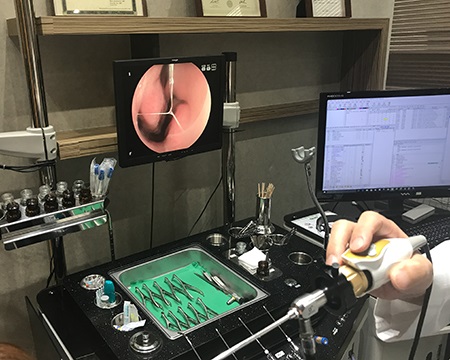
Common rhinitis is diagnosed based on symptoms such as itching, sneezing, rhinorrhea (runny nose), and nasal congestion, and nasal examination results. Depending on the patient's condition, additional 3D-CT scans and endoscopy can confirm inflammatory reactions in the nasal cavity and internal structure of the nose.
Reporter: Is there a perfect timing for treatment for seasonal allergy and rhinitis?
Hong: If you have rhinitis, you'd better get treatment as soon as possible. This is because, if not treated on time, the disease is likely to become chronic and cause other diseases such as sinusitis and laryngopharyngitis. It is important to receive treatment when symptoms occur, but it is as important to prevent them before the change of seasons.
Reporter: What are the treatment methods for the two nasal diseases?
Lee: Although treatment methods vary depending on the cause, allergic rhinitis can be treated with drug therapy using antihistamine and topical steroids, and in the long term, immunotherapy may help by inducing antibody production.
Surgery is usually required if you have sinusitis or if you have nasal congestion due to structural deformation inside. A typical condition that causes nasal congestion along with rhinitis is septal deviation. This causes the septal cartilage, which is located vertically in the center of the nose, to irritate the bend inside the nose, worsening rhinitis, and nasal congestion. Since the cartilage is bent, surgery to correct it is effective. Also, along with septal deviation, the nasal valve is sometimes stenosed, which is an important part of controlling airflow to a roof-like space on the upper part of the nose. If this valve narrows, nasal congestion also occurs, so improving the symptom together is also an essential treatment method.
Reporter: What are the possible side effects of treatment for allergic rhinitis and common rhinitis?
Lee: Drug treatment for allergic rhinitis only temporarily alleviates symptoms and cannot prevent a recurrence. Since allergic rhinitis is a disease that is difficult to treat, avoiding allergens in everyday life or increasing immunity can lead to an improvement.
Rhinitis surgery is not common, but surgery related to conchotomy can cause empty nose syndrome, which can become stuffy even if there is enough space in the nasal cavity due to too much resection of the structure. Therefore, to prevent side effects, a number of surgical procedures have recently been carried out such as submucous resection of the inferior nasal concha and high-frequency reduction. All surgeries can cause recurrence and side effects, so it is important to see and consult with a specialist who has rhinitis surgery know-how and surgical experience.
Reporter: Do medical insurance cover rhinitis and seasonal allergy treatment?
Hong: Rhinitis, sinusitis (sinus infection), septal deviation, and nasal valve stenosis are representative nasal diseases and have diagnostic codes. I am certain that health insurance and private insurance can be applied if you are diagnosed with a disease through an examination. But make sure to check the details directly with the insurance company you have signed up for.
Reporter: Lately, products related to rhinitis like sinus-rinse kits are released onto the market. What should consumers be aware of when using them?
Lee: The saline solution should not be transferred to the throat when washing the nose. If the auditory tube is open, saline can flow into the middle ear and cause bacterial infection, leading to tympanitis. Therefore, rinse the nose while tilting your head forward and simultaneously making a sound of "ee" or "ah" with your mouth to prevent the transfer to the middle ear by closing the auditory tube. Also, it is recommended to use up once-opened saline as soon as possible.
The over-the-counter nasal spray relieves nasal congestion by constricting blood vessels in the nasal mucous membrane. But keep in mind that using it whenever you experience nasal congestion can worsen the symptom and be irritative especially when you have inflammation or dry mucous membranes. Other rhinitis-related products should also be checked if they are verified, and it is significant to identify the root cause through a specialist’s diagnosis rather than simply using them temporarily to relieve symptoms.
Reporter: Do you have any lifestyle hacks to relieve the two nasal diseases?
Hong: Regular nose rinsing is necessary. If you wash your nose on regular basis, it soothes the swollen mucous membrane of your nose and prevents dryness, washing off inflammatory factors as well as foreign substances inside your nasal cavity with saline. It is not a fundamental rhinitis treatment, but it helps relieve the symptoms.
Environmental management in everyday life is also essential, especially avoiding allergens such as dust, temperature changes, and stress. In spring, there is a lot of indoor dust as well as fine dust and yellow dust, so you should mind cleaning, indoor ventilation, and air purification, and maintaining proper temperature and humidity by being aware of temperature changes from daily temperature differences.
![[Card News] Better Together Seoul Culture & Wellness Festival...See you on October 9 at DDP Oullim Square!](/news-images/85341c44f72401a7415c4da5ca3242f3434fe2a10935287f5b87d7acbd88ad87-480-v1.webp)