
Obesity medications such as Wegovy and Mounjaro have prompted a growing number of people to try losing weight. A lighter reading on the scale, however, is not automatically good news. The body can shed not only fat but also muscle it cannot afford to lose. Experts say healthy weight loss calls for attention not just to how much weight comes off but to what kind of tissue goes with it.
Smaller meals bring greater risk to muscle
These drugs work by curbing appetite and making people feel full sooner, so they naturally eat less. The flip side is that a sharp drop in food intake can leave the body short of the nutrients it relies on to keep muscle intact.
Dr. Kim Yu-mi, who practices endocrinology at Incheon Himchan General Hospital in South Korea, explained that when an obesity drug dampens appetite and portions shrink considerably, protein is often the first nutrient to fall short. “When a shortage of energy and protein continues, the body can no longer keep muscle protein synthesis and breakdown in balance, and muscle may be lost,” Dr. Kim said. “That is why it is important to monitor nutrition and exercise habits, not just how fast the weight is coming off.”
Research backs this up. A 2025 paper in the international journal Diabetes, Obesity and Metabolism followed 160 adults with obesity or overweight for 72 weeks. Among those given tirzepatide, the compound in Mounjaro, roughly three-quarters of the weight they lost came from fat and the remaining quarter from lean mass. Since lean mass covers organs and water in addition to muscle, the figure is not all muscle, but it shows that weight loss can draw on more than fat stores.
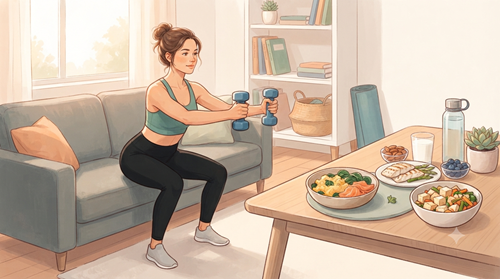
Young people are not immune, as muscle today protects health tomorrow
Beyond powering movement, muscle holds the joints steady and plays a part in keeping blood sugar in check. Because muscle naturally dwindles with age, building and guarding it early pays off later.
Younger adults may feel little difference at first when muscle declines. Over time, though, a weak core can burden the lower back and underdeveloped thigh muscles can put extra load on the knees. Lower muscle mass overall can also undermine metabolic health and make it harder to bounce back from illness.
Dr. Min Seung-ki, an orthopedic specialist at the same hospital, pointed to a simple warning sign. “If, after losing weight, stairs and lifting feel tougher than they used to, or ordinary activities wear you out quickly, a body composition test and grip strength assessment can measure skeletal muscle mass and strength and reveal whether you have lost muscle,” Dr. Min said.
Protein quality counts as much as quantity
Limiting muscle loss starts with getting enough protein from the very beginning of a weight-loss plan. Draw on a mix of sources, including eggs, fish, lean meat, tofu and milk, and divide intake across breakfast, lunch and dinner instead of loading it into a single meal.
When regular meals are not enough, protein shakes and snacks can bridge the gap, and convenience stores today stock everything from protein cookies to protein chocolate and bars. Even so, the words “high protein” on the wrapper should not settle the decision.
What muscles need most is protein packed with essential amino acids, which the body cannot make in adequate amounts and must get from food. Whey, casein and soy protein are prime sources. Collagen, a key ingredient in some protein drinks, falls short in this respect. On its own, it does not provide enough of the essential amino acids that muscle building requires.
Dr. Jung Sung-woo, a surgeon at the Bariatric and Metabolic Surgery Center of Incheon Sejong Hospital, noted that collagen still counts as protein, so it can appear in a product’s protein total. “But that is not the same as delivering enough of the amino acids muscles need,” Dr. Jung said. “Anyone buying a product to support muscle should read the ingredient list and see whether it is mostly collagen or also includes proteins like whey, casein or soy.”
※ A five-point checklist for high-protein products
✓ Protein amount: How much of your daily shortfall will it actually fill?
✓ Protein type: Does it rely on whey, casein, soy or similar sources that supply the essential amino acids muscles need?
✓ Sugar: Are you taking in extra sugar along with the protein?
✓ Fat and calories: High protein does not mean low calorie, so keep an eye on energy if you are managing weight
✓ Label basis: Are the figures for the whole pack or one serving? Know how much you really eat
※ Patients who have had bariatric surgery should not rely on standard diet-food guidelines. Product choices should reflect their recovery stage and personal nutritional needs.
A protein snack is still a snack, so read the sugar, fat and calories
For anyone aiming to slim down, a product’s full nutritional makeup deserves as much scrutiny as its protein figure. Just like regular treats, protein cookies and chocolates often contain sugar, syrup, flour and fat to deliver flavor and texture.
Dr. Jung cautioned that treating protein snacks as harmless extras can quietly drive up daily calorie intake, and advised comparing them with regular snacks on sugar, fat and total calories rather than on protein alone.
The basis of the nutrition label matters, too. Suppose a bag holds two servings. Check whether the calorie figure covers the entire bag or only half. If it refers to half and you finish the bag, you have taken in double the stated calories.
The takeaway is to turn the package over and read the ingredients and nutrition panel instead of trusting the “high protein” banner on the front.
Recovery from bariatric surgery calls for step-by-step nutrition
Muscle and nutrition demand equal care from people who lose weight through bariatric surgery rather than medication.
Dr. Lee Sung-bae, who heads the Bariatric and Metabolic Surgery Center at Incheon Sejong Hospital, pointed out that the small amount patients can eat at one sitting after surgery makes it difficult to meet protein needs. “Meals should match the stage of recovery, nutritional gaps should be filled, and the amount and type of products should be decided with guidance from the medical team and a dietitian,” Dr. Lee said.
Protein shakes are useful for topping up nutrition, but they are no substitute for real meals.
“Weight is only one measure. Muscle mass, what patients eat and their overall nutritional status all need regular monitoring,” Dr. Lee said. “Instead of living on protein drinks, patients should adjust the kinds and textures of food as they recover and keep a balanced intake of nutrients beyond protein.”
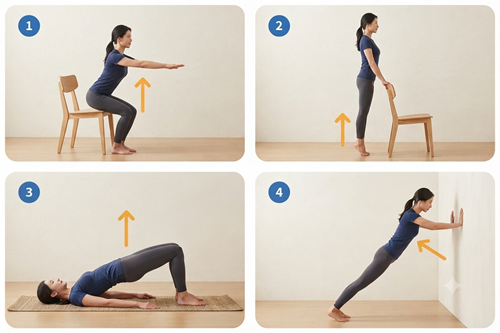
Add strength training and track muscle health throughout
Strength training ranks alongside protein in importance. When weight drops without exercise, leg muscles carry less load and receive less of the stimulation they need, so they tend to waste away.
A 2025 study in BMJ Open Sport & Exercise Medicine supports this. People who combined diet control with resistance training lost less lean mass than those who changed only their diet.
Simple bodyweight moves can do the job: ▲chair sit-to-stands ▲calf raises while holding a chair back ▲glute bridges, lying on your back with knees bent ▲wall push-ups. Build up intensity and repetitions gradually according to your fitness, and include aerobic activity such as walking. Bariatric surgery patients should check with their medical team about when to begin and how hard to push, based on how their recovery is progressing.
Questions and answers
Why do people lose muscle on weight-loss drugs?
Mainly because they eat much less. Reduced appetite often leads to too little protein, and when energy and protein stay low, the body breaks down more muscle protein than it builds.
How much of the weight lost on tirzepatide is lean mass?
About a quarter. In a 72-week study of 160 adults published in 2025, roughly 75% of the weight lost was fat and 25% was lean mass, which includes organs and water as well as muscle.
What should I look for on a protein product label?
Protein amount, protein source, sugar, fat, calories and serving basis. Whey, casein and soy supply the essential amino acids muscle needs, while collagen-heavy products fall short on their own.
What signs suggest I may have lost muscle?
Finding stairs or lifting harder than before, or tiring easily during daily tasks. A body composition test and grip strength assessment can confirm it.
How should bariatric surgery patients manage protein and exercise?
Under medical guidance. They should eat according to their recovery stage, use protein drinks only to fill gaps and agree on when and how intensely to exercise with their medical team.